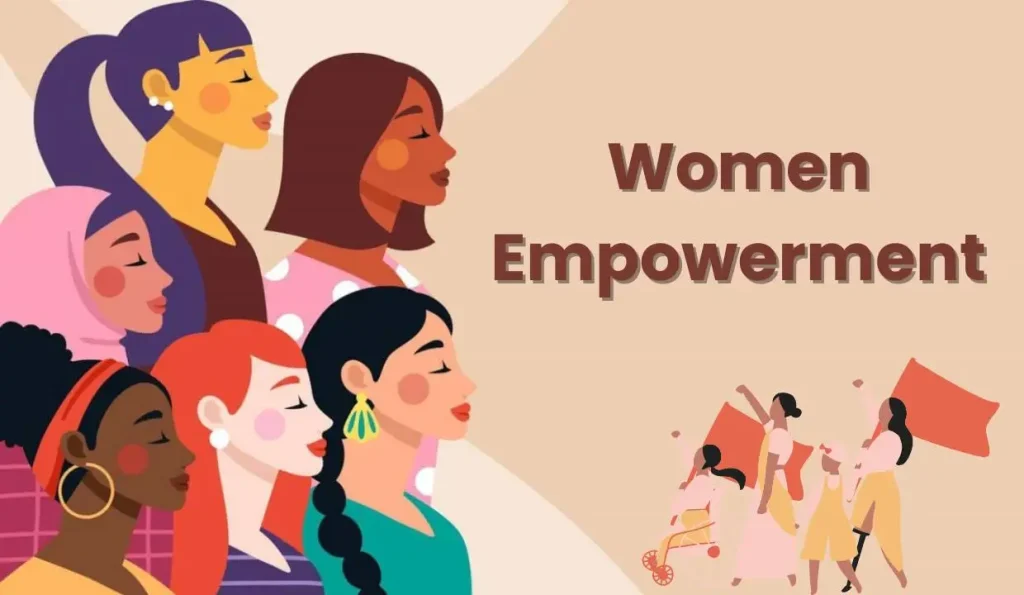
Women Empowerment in India: A Journey Towards Equality and Dignity
Women empowerment is not merely a slogan but the heartbeat of a just and progressive society. It refers to giving women the right, opportunity, and confidence to make choices in every aspect of life—social, economic, political, and cultural. In India, where nearly half of the population comprises women, true empowerment is not just about equality but also about unlocking the nation’s full potential. As Mahatma Gandhi once said, “When a woman moves forward, the family moves, the village moves, and the nation moves.”
For centuries, Indian women have been both revered as symbols of strength and restrained by social barriers. Today, while India celebrates women CEOs, sports champions, and political leaders, many women in villages still fight daily battles against child marriage, illiteracy, poverty, and violence. This stark contrast makes the mission of women empowerment urgent. NGOs, alongside government efforts, play a crucial role in bridging this gap, ensuring that no woman is left behind.
Historical Perspective of Women in India
To understand women empowerment today, we must look at the past.
- Ancient India: Women like Gargi, Maitreyi, and Rani Lakshmibai symbolize wisdom and courage. Women were respected as educators, rulers, and philosophers.
- Medieval India: Sadly, this era saw women confined to households due to invasions, feudal systems, and patriarchal traditions. Practices like child marriage, sati, and purdah limited women’s freedom.
- Colonial India: Social reformers like Raja Ram Mohan Roy, Ishwar Chandra Vidyasagar, and Savitribai Phule challenged these regressive practices. The rise of women’s education began here.
- Post-Independence: The Constitution guaranteed equality, voting rights, and protection against discrimination. Yet, social practices continued to restrict women.
The journey from ancient reverence to modern struggle highlights why empowerment is essential.
Current Scenario of Women in India
Today, Indian women shine in diverse fields:
- In politics, leaders like Indira Gandhi, Sonia Gandhi, and Nirmala Sitharaman have shaped the nation.
- In science, Dr. Tessy Thomas, “Missile Woman of India,” inspires millions.
- In sports, icons like Mary Kom, PV Sindhu, and Mithali Raj redefine resilience.
- In business, Kiran Mazumdar Shaw (Biocon) and Indra Nooyi (PepsiCo) show women can lead global empires.
Yet, beneath these success stories lies another India:
- Millions of girls drop out of school early.
- Women in rural areas face unemployment and lack access to healthcare.
- Gender-based violence remains a grim reality.
Thus, empowerment must reach not just the privileged few but every woman in every village.
Challenges to Women Empowerment
Despite progress, many challenges persist:
- Patriarchy: Deep-rooted mindsets still see women as dependent or secondary.
- Education Barriers: Rural literacy rates for women lag behind men, especially in marginalized communities.
- Economic Inequality: Women earn less, face job insecurity, and often work in informal, unpaid sectors.
- Violence & Safety: Crimes against women, domestic abuse, and workplace harassment create fear.
- Health Issues: Maternal mortality, malnutrition, and lack of menstrual hygiene facilities restrict women’s wellbeing.
- Social Taboos: Dowry, child marriage, and honor-based restrictions still thrive in many regions.
These obstacles highlight why empowerment must be holistic—covering education, economy, safety, and social dignity.
Government Initiatives & Policies
India has launched multiple initiatives to uplift women:
- Beti Bachao, Beti Padhao: Focused on saving and educating the girl child.
- Mahila E-Haat: An online platform for women entrepreneurs.
- Pradhan Mantri Ujjwala Yojana: Provided LPG connections to reduce women’s drudgery in kitchens.
- Reservation in Local Bodies: Ensures women’s participation in decision-making.
- Self-Help Groups (SHGs): Rural women collectively work towards economic independence.
While these schemes are impactful, their success depends on awareness and grassroots implementation—where NGOs step in.
Role of NGOs in Women Empowerment
NGOs act as catalysts of change, reaching places where government schemes cannot:
- Awareness Campaigns: Educating communities about gender equality and rights.
- Skill Development: Training women in tailoring, handicrafts, digital literacy, and entrepreneurship.
- Legal Aid: Providing support to victims of domestic violence and harassment.
- Health Programs: Educating women on hygiene, nutrition, and reproductive health.
- Case Studies: Organizations like SEWA (Self-Employed Women’s Association) have empowered thousands of women economically.
NGOs create safe spaces, foster confidence, and help women break barriers.
Women Empowerment & SDGs
Women empowerment aligns directly with SDG 5: Gender Equality, but also contributes to:
- SDG 1: No Poverty (empowered women earn and uplift families)
- SDG 3: Good Health & Well-being
- SDG 4: Quality Education
- SDG 8: Decent Work and Economic Growth
Without empowered women, sustainable development is incomplete.
Success Stories of Empowered Women in India
- Kalpana Saroj: Once a child bride, now a successful entrepreneur.
- Chhavi Rajawat: India’s first MBA sarpanch, showing rural women can lead villages.
- Phoolan Devi: From oppression to Parliament, her life symbolizes resilience.
- Rani Rampal: From a poor background to captain of India’s hockey team.
These stories prove that with opportunity, women can transform not just their lives but entire communities.
Future Roadmap for Women Empowerment in India
For true empowerment:
- Focus on Education: Every girl must complete at least secondary schooling.
- Skill & Employment Opportunities: Bridging wage gaps and promoting entrepreneurship.
- Legal & Safety Reforms: Stricter laws against harassment and gender violence.
- Technology Access: Digital inclusion can connect rural women to opportunities.
- Community Participation: Families and men must support women’s growth.
Empowerment is not a women’s issue—it is a human issue.
Conclusion
Women empowerment is the cornerstone of a strong and fair society. It is about granting women the dignity, respect, and independence they deserve. India cannot become a developed nation until every woman, from metropolitan cities to the remotest villages, has the freedom to dream and the opportunity to fulfill it.
NGOs, government bodies, and citizens must work hand in hand to ensure that empowerment becomes reality, not rhetoric. For when women rise, the entire nation rises.
jai shree ram women empowerment